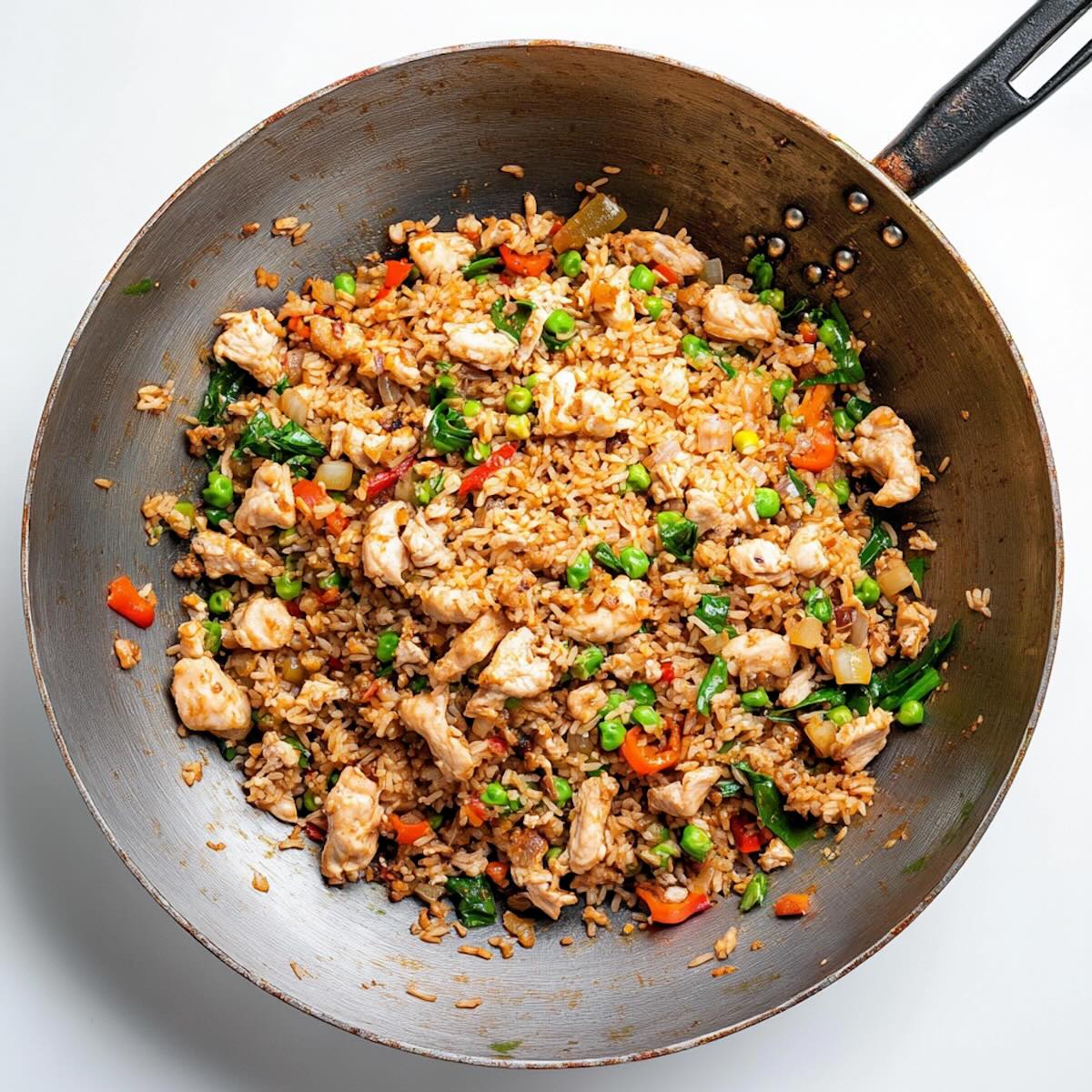
Khao Pad Demystified: The Simple Truth About Thai Fried Rice
Imagine the vibrant energy of a bustling Bangkok street, the tantalizing aroma of sizzling woks, and the comforting taste of a dish that brings it all to life. For many, that taste belongs to Thai fried rice, affectionately known as Khao Pad. Far from being a complicated culinary endeavor, Khao Pad is a testament to the power of simple, fresh ingredients expertly combined. It’s a dish that can transport you instantly, evoking memories of travel or simply the joy of a truly satisfying home-cooked meal.
Often considered a cornerstone of Thai cuisine, Khao Pad is a delightful and surprisingly straightforward meal, making it an ideal starting point for anyone exploring the Thai kitchen. If you've ever felt intimidated by exotic recipes, prepare to have your perceptions demystified. This isn't fussy cooking; it's bold, flavorful, and incredibly accessible.
What Exactly is Khao Pad? Unpacking Thailand's Favorite Fried Rice
At its heart, Khao Pad (ข้าวผัด) is Thailand's iconic take on fried rice. The name itself is beautifully descriptive: "Khao" means rice, and "Pad" means to stir-fry. So, literally, it translates to "stir-fried rice." While the concept of fried rice exists across many Asian cultures, Thai fried rice distinguishes itself with a unique flavor profile and specific ingredient choices.
Unlike some of its regional cousins that might incorporate a medley of colorful vegetables like peas and carrots, traditional Khao Pad focuses on a more minimalist approach. Its foundation is typically fragrant jasmine rice, stir-fried with eggs, a choice of protein, and a carefully selected blend of aromatics and seasonings. The result is a dish that is savory, often with a hint of sweetness, a touch of saltiness, and occasionally a tangy zest, capable of delivering a delightful spicy kick if you desire. It's the kind of dish that strikes a perfect balance – robust enough to be satisfying, yet light enough to leave you craving more.
One of the true beauties of Khao Pad is its incredible versatility. The phrase Khao Pad can be expanded to specify the protein. For instance, Khao Pad Gai refers to chicken fried rice, while Khao Pad Goong would be shrimp fried rice, and the highly prized Khao Pad Bu signifies crab fried rice. This adaptability makes it a dish that never gets old, allowing for endless variations to suit any taste or what you have on hand in your fridge.
The Anatomy of Authentic Khao Pad: Essential Ingredients for Flavor
The magic of Thai fried rice lies not in a lengthy list of obscure ingredients, but in the quality and preparation of a few key components. Understanding each element's role is crucial to recreating that authentic, "better-than-takeout" flavor at home.
- Jasmine Rice: The Unsung Hero
This is, without a doubt, the single most critical ingredient. For perfect Khao Pad, you absolutely must use pre-cooked, cold, day-old jasmine rice. This isn't just a suggestion; it's the non-negotiable secret to achieving that wonderfully separated, non-clumping texture that defines great fried rice. Freshly cooked, warm rice retains too much moisture, leading to a soggy, gummy mess when stir-fried. Refrigerating the rice allows the grains to dry out and firm up, ensuring each grain gets beautifully coated and cooked to perfection. This simple pantry swap is the ultimate hack against clumpy fried rice, especially when you're short on time. For more on this crucial technique, check out our guide on Authentic Thai Fried Rice: Bold Flavors & Non-Clumping Secret. - Aromatics: The Foundation of Flavor
Garlic and shallots (or white onion as a substitute) form the aromatic backbone of Khao Pad. Finely chopped and gently sautéed until translucent and fragrant, they build a deep, savory base that permeates the entire dish. Don't rush this step; allowing these aromatics to soften and release their flavors is key to a rich, complex fried rice. - Protein: Your Canvas for Creation
Eggs are almost always present, providing not just protein and a lovely golden hue, but also a delicate texture that complements the rice. Beyond eggs, the choice is yours: thinly sliced chicken, succulent shrimp, tender pork, or flakes of sweet crab meat are all excellent options. The protein is typically cooked first, or pushed to the side of the pan to make space for scrambling the egg before being incorporated. - Seasonings: The Soul of Thai Cuisine
While specific measurements vary, the seasoning for Khao Pad usually involves a careful balance of fish sauce for umami and saltiness, a touch of soy sauce (often light or thin soy sauce), and a pinch of sugar to balance the flavors and promote caramelization. White pepper is also a common addition, offering a subtle warmth without overpowering the other ingredients. This combination creates the signature savory, slightly sweet, and salty profile that makes Thai fried rice so addictive. - Fresh Garnishes: The Bright Finish
Finely sliced green onion and coarsely chopped cilantro are stirred in at the very end, preserving their vibrant color and fresh aroma. A squeeze of fresh lime juice over the finished dish adds a crucial pop of bright, tart citrus that cuts through the richness and elevates every bite.
The Khao Pad "Magic": Techniques for Perfection
Mastering Khao Pad isn't about complex culinary maneuvers; it's about understanding the rhythm of the wok and the purpose behind each step. Here are the simple truths to achieving that elusive "perfect" plate of Thai fried rice:
- The Wok or Large Skillet is Your Friend: A hot wok or a large, heavy-bottomed skillet is essential. High heat ensures a quick cook, promoting beautiful charring and preventing the rice from steaming instead of frying.
- Oil First, Aromatics Next: Begin by heating oil, then add your finely chopped garlic and shallots. Sauté until fragrant and softened, but not browned. This creates the flavor foundation.
- Protein Power-Up: Add your chosen protein and cook until almost done. If using eggs, push the cooked protein to one side, add a little more oil, and scramble the egg in the cleared space before breaking it up and mixing it with the protein.
- The Rice Introduction: Now for the star – your cold, day-old jasmine rice. Break up any clumps before adding it to the pan. Stir-fry vigorously, ensuring the rice grains are constantly moving and getting coated in the oil and aromatics. This is where the magic of non-clumping truly shines.
- Season and Stir: Add your fish sauce, soy sauce, and sugar. Continue to stir-fry, tossing the rice to evenly distribute the seasonings. Look for a slight caramelization on some of the grains – that's flavor developing!
- The Final Flourish: Just before serving, stir in the green onions and cilantro. Their freshness provides a delightful contrast to the cooked ingredients. Serve immediately with a wedge of fresh lime on the side.
The beauty of Khao Pad is how quickly it comes together. From start to finish, you can have a truly satisfying meal on the table in about 15 minutes, making it only a step above instant noodles in terms of effort! If you're ready to dive in, our Easy Thai Fried Rice: Your 15-Minute Guide to Perfect Khao Pad provides a step-by-step pathway.
Beyond the Basics: Customizing Your Khao Pad Experience
While the classic version of Thai fried rice is incredibly satisfying, there's ample room for personalization. Consider these ideas to make your Khao Pad truly your own:
- Vegetable Variations: While traditional Khao Pad often skips common Western fried rice veggies, you can certainly add thinly sliced Chinese broccoli (gai lan), cherry tomatoes, or even a handful of finely diced bell peppers for color and crunch. Just be mindful not to overcrowd the pan or add too much moisture.
- Heat It Up: For those who love a kick, add fresh bird's eye chilies (Prik Kee Noo) to the aromatics, or serve with a side of Prik Nam Pla (a classic Thai dipping sauce of fish sauce, chilies, and lime juice).
- Beyond Basic Proteins: Experiment with crispy pork belly, smoked sausage, or even tofu for a vegetarian option. The key is to cut your protein into small, bite-sized pieces for even cooking.
- Regional Twists: Some regions or family recipes might include specific additions like pineapple (for Khao Pad Sapparot) or a unique blend of chili paste (for Khao Pad Kaphrao, which is typically a basil stir-fry served with rice, but variations exist).
Why Khao Pad is Your Next Go-To Meal
The simplicity of Khao Pad is its true genius. It’s a dish that demands curiosity more than perfection, forgiving minor missteps while rewarding your efforts with bold, authentic flavors. Whether you're a seasoned home cook or just starting your culinary journey, mastering Thai fried rice is an achievable and highly rewarding endeavor.
There's a reason why this dish holds such a special place in the hearts of so many – it's comforting, adaptable, and a genuine taste of Thailand that you can bring right into your own kitchen. The next time you're craving something quick, flavorful, and profoundly satisfying, reach for that cold jasmine rice. You might just find yourself transported to the bustling streets of Bangkok, one delicious bite at a time.
