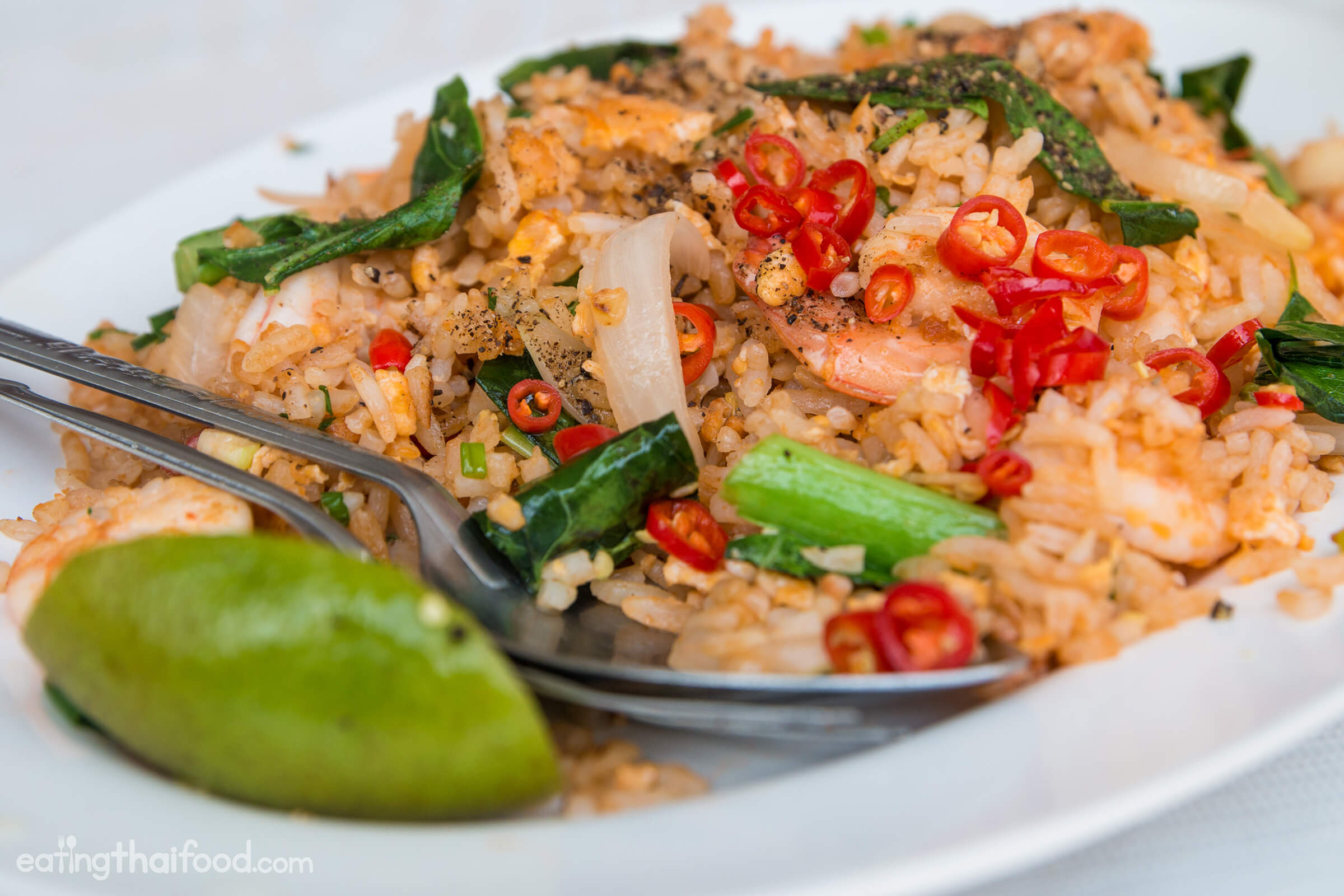
There are dishes that simply transport you, and for many, a single bite of authentic Thai fried rice, or Khao Pad as it's known in Thailand, instantly evokes the vibrant energy of Bangkok's bustling streets. It's not just a meal; it's a culinary journey packed with bold, unforgettable flavors that are salty, sometimes tangy, and, if you dare, delightfully spicy. This cherished dish, a staple from humble roadside stalls to family kitchens, promises a delightful balance of taste and texture, notably its signature non-clumping grains. And the best part? It's surprisingly simple to master, even for beginners.
Often perceived as complex, the truth is that Khao Pad is one of the most accessible entry points into Thai cooking. As one home cook shared, it was among the first "Thai meals" her husband taught her, emphasizing its ease – literally a step above instant noodles. With just about 15 minutes from start to finish, you don't need special tools or advanced skills to recreate that coveted restaurant-quality experience at home. The secret to its unique appeal lies not in intricate techniques, but in understanding a few fundamental principles and one crucial ingredient swap that ensures perfect, separate grains every time.
Unpacking the Essence of Authentic Thai Fried Rice (Khao Pad)
At its heart, Thai fried rice is Thailand's revered take on the global fried rice phenomenon. Known universally as Khao Pad, the name itself offers a straightforward explanation: "Khao" means rice, and "Pad" translates to stir-fry. Put them together, and you have "stir-fried rice." While many cultures boast their own versions of fried rice, Khao Pad distinguishes itself with a unique ingredient profile and flavor philosophy.
Unlike some Western-influenced fried rice dishes that might feature an array of peas, carrots, or corn, traditional Khao Pad keeps it elegantly simple. The core components include fragrant jasmine rice, scrambled eggs, a choice of protein, and a medley of aromatic herbs and seasonings. While regional and family recipes offer delightful variations, you'll almost always find garlic, shallots (or onions), green onion, and cilantro providing the foundational flavors. The resulting taste is robust and satisfying, a harmonious blend of savory, umami, and often a bright citrus finish, with the option to dial up the heat according to your preference. It’s a dish that perfectly encapsulates Thai culinary philosophy: balance, freshness, and intensity.
Decoding Khao Pad: A Quick Linguistic Guide
- Khao Pad Gai: Chicken Fried Rice (Gai = Chicken)
- Khao Pad Goong (or Kung): Shrimp Fried Rice (Goong/Kung = Shrimp)
- Khao Pad Bu: Crab Fried Rice (Bu = Crab)
- Khao Pad Moo: Pork Fried Rice (Moo = Pork)
- Khao Pad Jae: Vegetarian Fried Rice (Jae = Vegetarian)
The Non-Clumping Secret: Achieving Perfectly Separate Grains
The hallmark of truly exceptional Thai fried rice is its texture: individual grains that are tender yet firm, never mushy or clumpy. This is where the "pantry swap" referenced by many Thai cooks comes into play, a simple trick that elevates your homemade Khao Pad from good to extraordinary. The secret is to use leftover, chilled jasmine rice, preferably rice that has been cooked and then refrigerated for at least a few hours, or ideally, overnight.
Why is this so crucial? Freshly cooked rice is moist and its starch molecules are still very active, making it sticky and prone to clumping when stir-fried. Refrigerating the rice allows the grains to dry out significantly, firming up and preventing them from sticking together in the hot pan. This process, known as retrogradation, helps the individual grains maintain their structure, allowing them to absorb the rich flavors of the stir-fry without becoming a soggy mess. Skipping this step is the most common pitfall leading to disappointing, sticky fried rice.
Pro Tip for When You’re Short on Time: If you don't have overnight chilled rice, you can still achieve a similar effect. Cook your jasmine rice as usual, but use slightly less water than normal. Once cooked, immediately spread the hot rice in a thin layer on a large baking sheet or tray. This allows the steam to escape rapidly, drying out the grains. Let it cool completely, then refrigerate for at least 30-60 minutes before stir-frying. Some even suggest freezing it for 15-20 minutes after cooling for an even quicker dry-out, just ensure it doesn't freeze solid.
Essential Ingredients for Your Authentic Khao Pad Journey
While the overall process is straightforward, selecting and preparing your ingredients carefully makes all the difference in crafting that authentic Thai fried rice experience. Here's a breakdown of the key players:
- Jasmine Rice: As discussed, this is the non-negotiable foundation. Its fragrant aroma and slightly sticky, yet long-grained texture are perfect for Khao Pad. Always use day-old, chilled rice.
- Aromatics (Garlic & Shallots): These are the soul of your fried rice, providing a deep, aromatic base. Finely chop both garlic and shallots (or white onion if shallots are unavailable) and sauté them until golden and fragrant, but not burnt, to release their maximum flavor.
- Eggs: Eggs add color, texture, and a boost of protein. Many traditional recipes call for scrambling the eggs directly in the wok, pushing them to one side once cooked, then incorporating them with the rice. You can also serve with a crispy fried egg on top for extra richness.
- Protein of Choice: This is where you can truly personalize your Khao Pad. Popular options include thinly sliced chicken breast or thigh (Gai), succulent shrimp (Goong), delicate crab meat (Bu), tender pork (Moo), or firm tofu for a vegetarian version. Ensure your protein is cut into bite-sized pieces and cooked through before adding the rice.
- The Flavor Foundation (Seasonings): This is where the "bold" flavors truly come alive. A classic combination includes:
- Fish Sauce (Nam Pla): Provides that essential savory, umami depth.
- Oyster Sauce (Nam Man Hoi): Adds richness, sweetness, and complexity.
- Light Soy Sauce (See Ew Khao): Balances the saltiness and adds another layer of umami.
- Sugar: A touch of palm sugar or granulated sugar is vital to balance the salty and tangy notes.
- White Pepper: A common seasoning in Thai cuisine, adding a subtle warmth.
- Fresh Herbs (Green Onion & Cilantro): These add a burst of freshness and color. Finely slice green onions and coarsely chop fresh cilantro, adding them towards the very end of cooking to preserve their vibrant flavor and prevent wilting.
- Fresh Lime: A squeeze of fresh lime juice just before serving is critical. It provides that bright, tart citrus finish that cuts through the richness and truly makes the flavors sing.
Mastering the Stir-Fry Technique: Your Path to Perfect Khao Pad
Once your ingredients are prepped, the actual stir-frying process for Thai fried rice is lightning-fast, demanding a hot pan and swift movements. Here’s how to nail it:
- Mise en Place is Key: Before you even turn on the heat, have all your chopped ingredients, sauces, and chilled rice ready and within arm's reach. This is a non-negotiable step for stir-frying success.
- Heat the Wok (or Pan) to Smoking Hot: A truly hot wok is essential for achieving that elusive "wok hei" – the smoky, complex flavor imparted by high heat. Add your cooking oil and let it shimmer.
- Aromatics First: Add your chopped garlic and shallots to the hot oil. Stir-fry quickly until fragrant and just turning golden, about 30 seconds to a minute. Be careful not to burn them, as this will make your fried rice bitter.
- Protein Next: Add your chosen protein and stir-fry until almost cooked through. If using shrimp, cook until they just start to turn pink.
- Eggs In: Push the cooked aromatics and protein to one side of the wok. Add a little more oil to the empty space, then crack in your eggs. Scramble them until they are mostly set but still slightly moist.
- Introduce the Rice: Add the chilled jasmine rice to the wok. Using a spatula or spoon, break up any clumps. This is where your dry, cold rice shines!
- Season and Stir-Fry Vigorously: Pour your pre-mixed sauces (fish sauce, oyster sauce, soy sauce, sugar) over the rice. Toss everything together, using a pressing and scraping motion to ensure the rice absorbs all the flavors and gets a slight char, echoing the "burning it more than I’d admit" charm of street food. Keep the heat high.
- Finishing Touches: Once the rice is evenly coated and heated through, about 2-3 minutes, stir in most of the green onions and cilantro. Toss for another 30 seconds.
- Serve Immediately: Garnish with the remaining fresh green onions and cilantro, a wedge of lime, and perhaps some cucumber and tomato slices on the side, as is traditional. For a comprehensive guide to mastering the technique, you might find Easy Thai Fried Rice: Your 15-Minute Guide to Perfect Khao Pad incredibly helpful, and for a deeper dive into the dish's identity, consider Khao Pad Demystified: The Simple Truth About Thai Fried Rice.
Beyond the Basics: Customizing Your Khao Pad Experience
While the classic Thai fried rice recipe is a masterpiece in itself, it also serves as an excellent canvas for customization. Don't hesitate to experiment once you've mastered the foundational technique:
- Spice Level: For those who "like heat it’ll bite back," add fresh bird's eye chilies (phrik kee noo) sliced or crushed with garlic at the beginning, or a dash of chili flakes (phrik pon) with your seasonings. Serve with Prik Nam Pla (fish sauce with sliced chilies and lime) on the side for an extra kick.
- Vegetable Additions: While traditional Khao Pad is minimal on vegetables, feel free to add a handful of thinly sliced carrots, bell peppers, or even a few florets of broccoli if you desire. Just ensure they are cut small and cook quickly so as not to overcook.
- Unique Proteins: Beyond the popular choices, explore options like crispy pork belly, finely diced Spam, or even a mix of seafood for a "Khao Pad Talay."
- Garnishes Galore: Elevate your presentation with fresh cucumber slices, wedges of tomato, a fried egg with a runny yolk, or a sprinkle of white pepper.
Creating authentic Thai fried rice at home is a surprisingly rewarding endeavor. With the simple understanding of using day-old, chilled jasmine rice as your "pantry swap" secret, and a handful of bold, fresh ingredients, you can consistently achieve that coveted non-clumping texture and unforgettable flavor. This isn't a fussy dish; it's a celebration of simple ingredients brought to life with heat and passion, reminiscent of those perfect roadside stalls. So, come curious, not perfect, and embark on your journey to recreate this beloved Thai classic in your own kitchen. The city streets, with all their vibrant culinary memories, await.
